
Active Warrants in Swift County
Swift County District Court issues warrants in the ordinary course of criminal and traffic cases, while the Swift County Sheriff's Office carries out arrest warrants, civil process, and court orders. The official sheriff page confirms that warrants are part of the office's daily work, along with jail administration, prisoner transportation, and court security. That matters because a warrant search in Swift County is not the same thing as looking up a jail roster or a court calendar. A person can have a warrant that is not shown in a simple public lookup, especially before service, custody, or a court appearance changes the record status.
There is no verified public Swift County warrant search portal in the official sources gathered for this project. That means the cleanest path is a fallback chain: call the sheriff, call Court Administration if you already have a case number, use MCRO case and hearing search to identify the underlying case, and then use the public calendar or a records request to confirm what can be released. If the warrant has already been executed, the county's inmate records page may help confirm booking status.
Source: Swift County Sheriff's Office page.
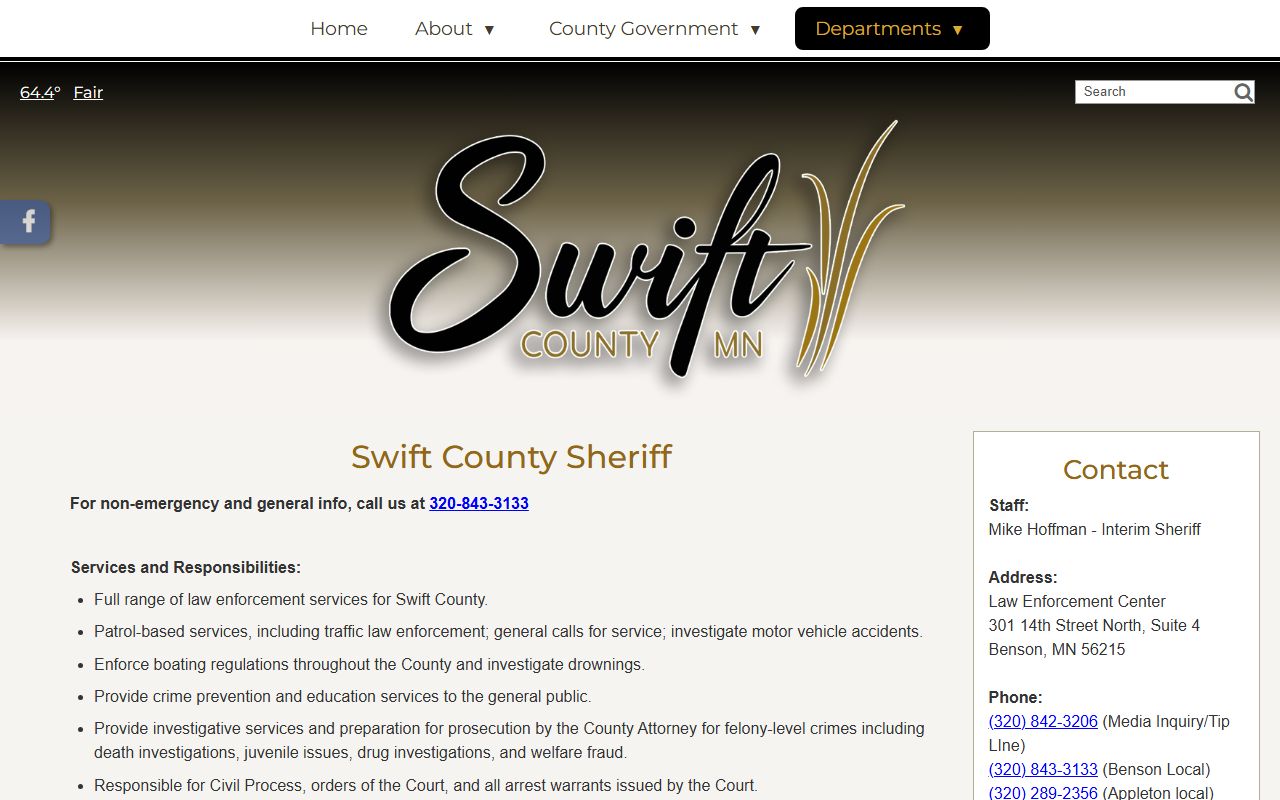
That sheriff contact card is the most local starting point because the office controls the jail, serves court papers, and handles warrant execution. If the answer is not available at the counter, the sheriff staff can often tell you whether the next step is Court Administration, a court appearance, or a records request.
Types of Warrants in Swift County
Swift County warrant records may reflect more than one legal situation. The label on the public side matters because the next step can change depending on whether the issue is an arrest warrant, a bench warrant, a search warrant, or a hold based on another jurisdiction. The safest assumption is that the warrant ties back to an underlying case number, a charge or violation, and an issuing court, even when that full detail is not visible to the public right away.
- Arrest warrant - A court order authorizing law enforcement to take a person into custody.
- Bench warrant - A judge-issued warrant often tied to failure to appear, probation issues, or contempt-related noncompliance.
- Search warrant - A judicial order allowing a search of a place, person, or item and often restricted while an investigation is active.
- Hold or fugitive warrant - A warrant or hold connected to another jurisdiction or an out-of-county matter.
- Body-only or no-bond warrant - A warrant that may require a judge before release can happen; the sheriff can confirm whether bond is available.
How to Search Swift County Warrants
Start with the sheriff because the office is the local warrant-information fallback. Swift County does not advertise a county warrant search database in the official materials reviewed here, so phone and in-person contact are part of the normal search path rather than a backup only used after the internet fails. If you already have a case number, Court Administration can often move faster than a name-only inquiry. If you only have a person name, MCRO and the public hearing calendar can help identify the case that led to the warrant.
- Call the Swift County Sheriff's Office and ask whether the person has an active warrant or whether a court case number is needed for more detail.
- Use MCRO Case Search or Hearing Search to look for the underlying Swift County case, especially if you have a citation or case number.
- Check the public calendar for missed appearances, probation hearings, or criminal settings that can explain why a warrant was issued.
- Confirm any release, bond, or surrender instructions directly with the sheriff or Court Administration before taking action.
Swift County Warrant Search Fields
Because Swift County does not have a verified public warrant-search portal, the practical field inventory is the information you should have ready when you call or submit a records request. If staff can confirm a case, the case number is the fastest path. If not, a full legal name and date of birth are the next best identifiers. Any older court notice, citation, or hearing reference can help narrow the search.
| Field Label | Type | Required | Notes |
|---|---|---|---|
| Full Legal Name | Text | Yes | Best first identifier for sheriff or court staff. |
| Date of Birth | Date | No | Helps distinguish people with similar names. |
| Case Number | Text | No | Fastest route if you already have the court file. |
| Citation Number | Text | No | Useful when the warrant grew out of a traffic or petty-misdemeanor matter. |
| Hearing Date | Date | No | Helpful when the warrant follows a missed court date. |
| Underlying Charge | Text | No | Can help staff find the right file if the name is common. |
What a Swift County Warrant Record Shows
When a warrant is confirmable through court or sheriff channels, the record is usually a short, practical summary rather than a full case narrative. The most useful details identify who the warrant is for, which case it belongs to, what type of warrant it is, and what condition controls release or surrender. A public docket may also show whether the warrant came from a missed hearing, a probation problem, or another filing that is easier to see in MCRO than in a phone call.
| Field | What It Shows |
|---|---|
| Person Name | The person named in the warrant or related case. |
| Case Number | The court file the warrant belongs to, often the best way to confirm the right record. |
| Warrant Type | Arrest, bench, search, hold, or another category if public. |
| Issuing Court | Usually Swift County District Court, unless another court or jurisdiction issued it. |
| Underlying Charge or Violation | The offense, missed appearance, or other issue that caused the warrant. |
| Statute or Rule | The legal citation tied to the case when staff can release it. |
| Bond or No-Bond Note | Whether payment, appearance, or judge review is required for release. |
| Status | Active, served, recalled, executed, or otherwise resolved if the record is current enough to show it. |
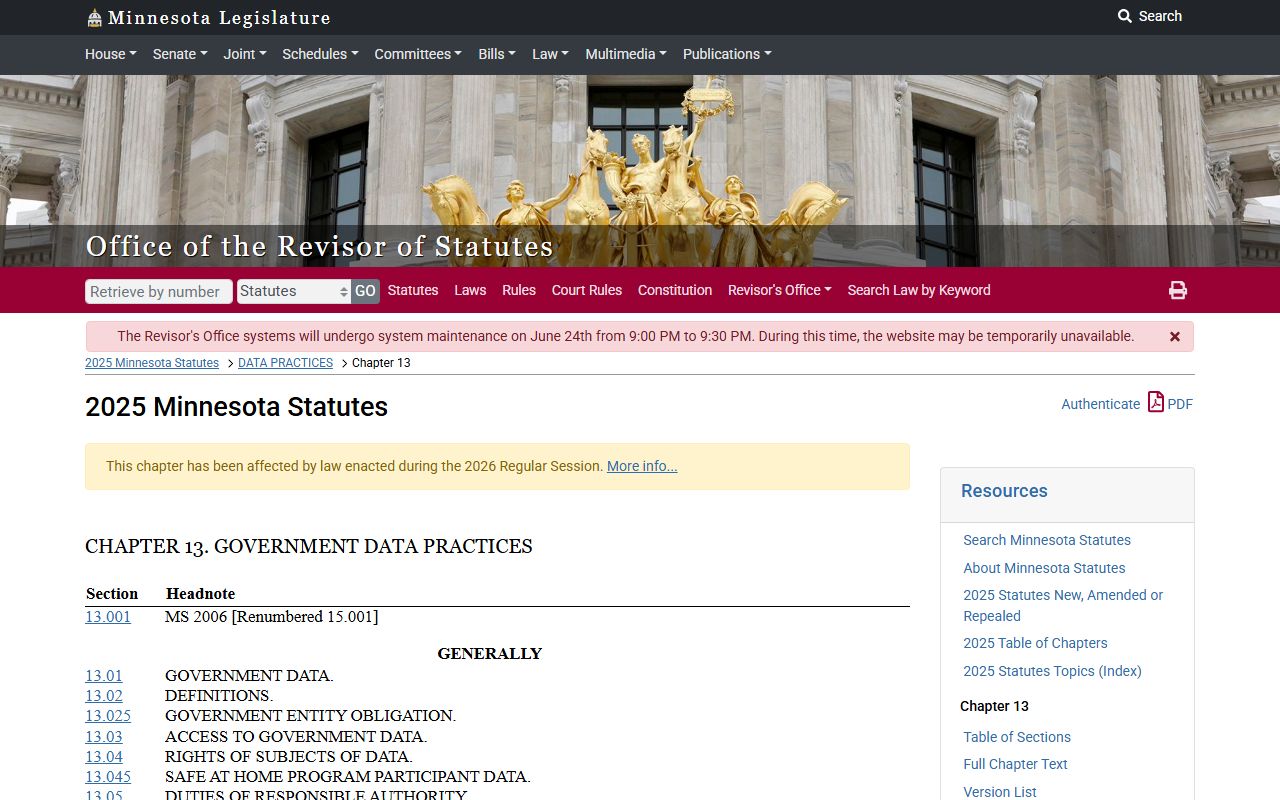
Source: Minnesota Government Data Practices Act page and law-enforcement data classifications page.
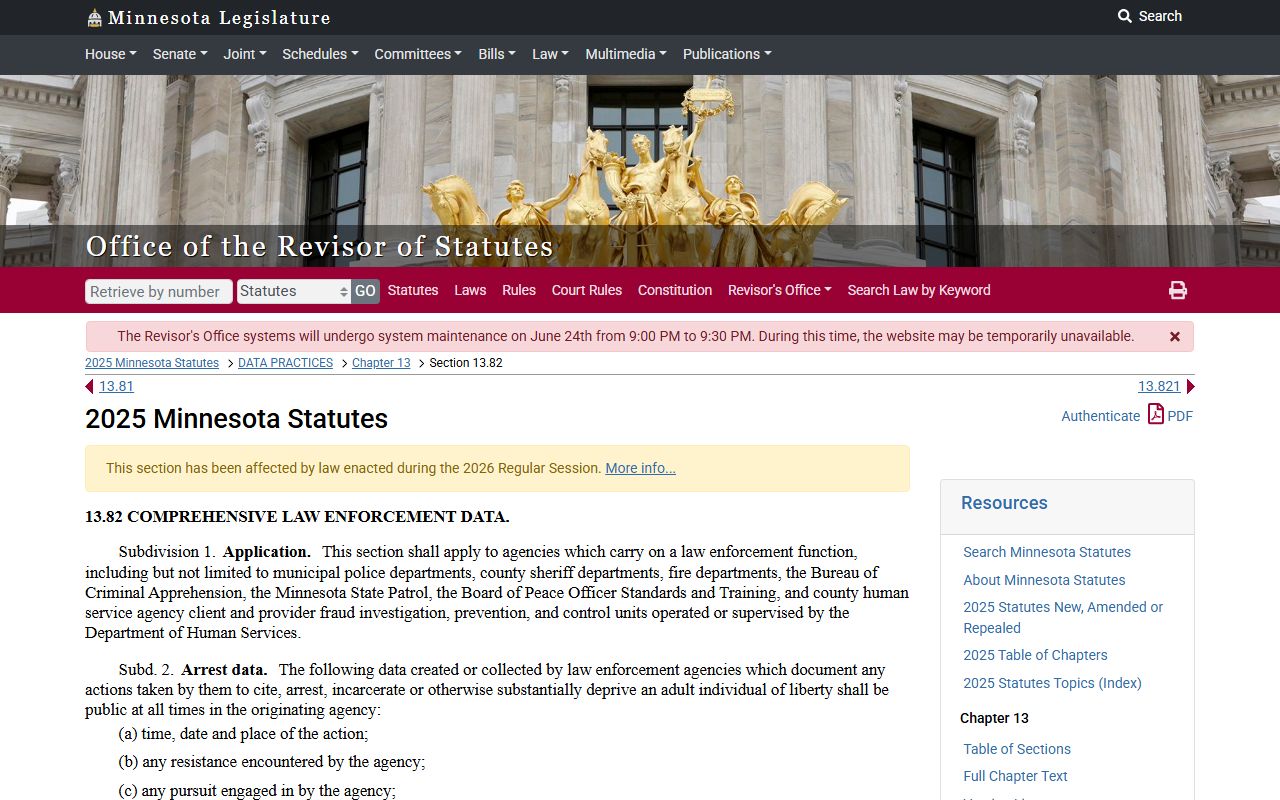
Source: Minnesota law-enforcement data classifications page.
What to Do If You Have an Outstanding Warrant
If you think there is an outstanding warrant, do not guess about the safest way to handle it. Start with the sheriff or Court Administration, use your full legal name and date of birth, and ask what the current status is before you appear anywhere in person. If you already know the case number, give it first. If the matter is criminal, the court may be able to explain whether the issue is a missed appearance, a bond question, or a hearing that has to be reset.
The practical goal is to avoid turning a warrant into a second problem. Ask where to appear, whether you can arrange a voluntary surrender, whether bond is set, and whether you should speak with a lawyer first. If the warrant is tied to a criminal charge, a probation issue, or a jail booking, legal advice may matter before any statements are made. The sheriff can tell you what the office will do at intake, but Court Administration controls the court side of the case.
Important: If the warrant is criminal or jail time is possible, speak with a lawyer before you surrender so you know the booking and bond consequences.
Public Calendar Clues and Case Tracking
When there is no warrant list, the public calendar becomes a clue source instead of a direct answer. Swift County's calendar and MCRO hearing search can show a missed hearing, a probation-violation hearing, or another setting that explains why a warrant may have been issued. That does not prove an active warrant by itself, but it can help you and court staff find the right case quickly. Court Administration can then confirm whether the matter is still open, whether a warrant was recalled, or whether a judge needs to set a new appearance date.
For a case that has already moved into custody, the jail roster may show the booking record more quickly than the court docket. For a case that has not yet been served, the court calendar and the case file are usually more useful than the roster. That difference matters because it keeps a name-only search from being overread as a final answer when the county record is still changing.
Records Requests and Restricted Warrant Data
Swift County's data-practices policy is the other important tool in a warrant search because not every sheriff file is public in the same way. The county policy says warrant indices can be confidential until the person is taken into custody, served, or appears before court. It also treats some warrant-related material as confidential under a separate law-enforcement classification. That means a request for records may need to ask for the public parts of a sheriff or incident file, not assume every line of the file can be released.
Use the county data-practices process if you need sheriff-held records that are not already posted online. Use Court Administration for the court file, because the court record and the sheriff record are not the same thing. A warrant may be visible in one place and still limited in the other. That split is normal in Minnesota and is exactly why a two-office search is often the right move.
Source: Swift County data practices policy page.
Because the page has no verified app and no official warrant lookup portal, the phone number and records-request path matter more than any glossy search feature. If a record is confidential, staff may still be able to tell you what office to contact next or whether a court appearance is required before release.
Mobile App Check
No official Swift County Sheriff's Office app was verified in the official county sources reviewed for this project. That means there is no app-only warrant search, no app-only most-wanted list, and no app-only records-request tool that should be named here. If a future county app appears, it should be checked against the official county site before it is mentioned on the page.